
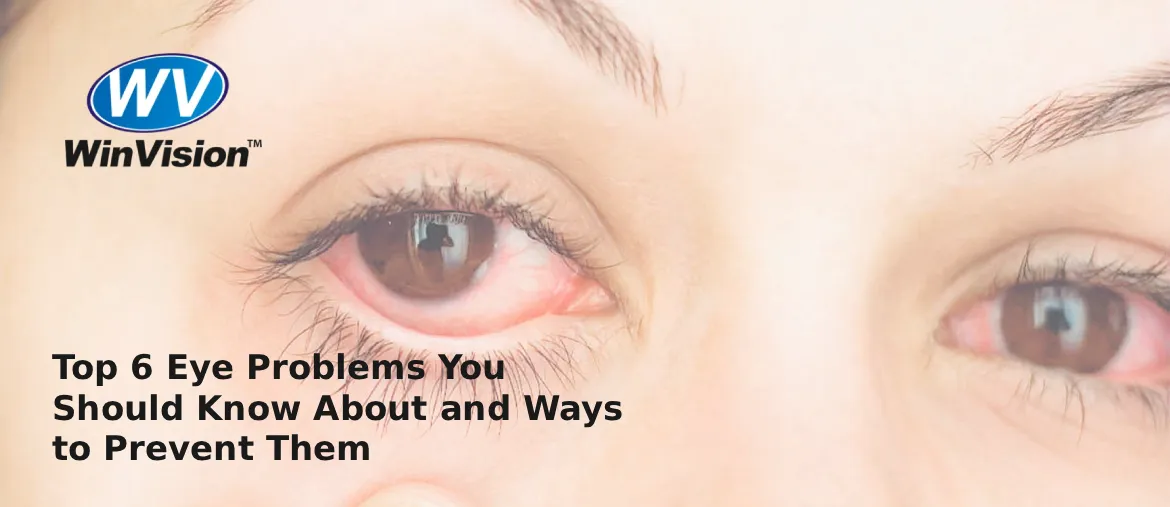
Eyes are like our engine, day in day out, we read them on screens, drive in the sun, but when it becomes painful, or we see poorly, then we start to take care of them. The condition of our eyes is crucial not only to have a clear vision but also to live well. With early identification and healthy lifestyle choices, one is likely to keep their vision intact in the coming years. These are the six common eye issues and what to do in order to protect your eyes.
1. Refractive Errors (Nearsightedness, Farsightedness & Astigmatism)
They are experienced when the eye shape cannot properly focus on the retina due to which the vision becomes blurred. This is in the form of nearsightedness (inability to see things at a distance), farsightedness (inability to see things at a close) and astigmatism (distorted vision).
How to protect your eyes?
Prescription glasses and less time at the computer can alleviate the eye pressure. Visual stress is also minimized by ensuring that there is sufficient lighting during reading or working.
2. Cataracts
Cataracts occur when the natural lens of the eye is cloudy hence blurred or dim vision. They usually come with old age, but they might arise when one has diabetes, smoking, or eye trauma, or when a person is exposed to UV light over a long period.
How to protect your eyes?
The development of a cataract can often be slowed by wearing UV-blocking sunglasses, eating a diet rich in antioxidants, and controlling chronic diseases. When the vision is severely affected, surgery is a very effective way out.
3. Glaucoma
Glaucoma is a family of eye conditions that damage the optic nerve, usually accompanied by an increase in eye pressure. It progresses slowly and can have no obvious symptoms initially, earning it the nickname the silent thief of sight.
How to protect your eyes?
It is vital to have routine eye check-ups, particularly when you are over 40 years old, and one of your parents has a history of glaucoma. Early intervention can be treated using medication, laser, or surgery to avoid progression.
4. Dry Eye Syndrome
It occurs frequently in individuals who spend a significant amount of time on digital devices, wear contact lenses, reside in dry environments, or experience hormonal variations, particularly in old age.
How to protect your eyes?
Screen time should be taken with rest, and in case of dry eyes, apply artificial tears. Adding omega-3-rich foods like walnuts and flaxseeds may also help in making tears.
5. Conjunctivitis (Pink Eye)
Conjunctivitis is the inflammation of the thin layer that covers an eye and an eyelid. It may be brought about by infections (viral or bacterial) or by allergy. The symptoms consist of redness, itching, tearing, and discharge.
How to protect your eyes?
Maintain hygiene by washing your hands frequently, avoiding touching your eyes, and refraining from sharing towels or makeup. Cold compresses can alleviate discomfort and may be used to manage allergic conjunctivitis.
6. Age-Related Macular Degeneration (AMD)
It is one of the causes of vision loss in adults aged 60 and above. The condition may cause people to have difficulty reading, recognizing faces, or perceiving details.
How to protect your eyes?
Quitting smoking, having normal blood pressure, and regular comprehensive eye check-ups can help prevent the disease because early treatment measures can help prevent the disease.
Simple Tips to Maintain Healthy Eyes Every Day
In addition to the identification of typical problems, the use of daily habits can help to protect your sight:
- Adopt a healthy diet containing vitamins A, C, and E
- Limit the screen time and take breaks often
- To prevent the risk of eye disease with age, avoid smoking
- Monitor blood sugar and blood pressure
- Get a lot of sleep to refresh your eyes
The majority of eye complications can be controlled or avoided through early diagnosis and healthy living decisions. Frequent eye checkups, protective measures, and recognizing symptoms can help maintain comfortable vision without any complications throughout an individual’s life.
You can stop little problems tomorrow by doing little things today–so mind your eyes.